Budějovice legends
Stories told in České Budějovice for centuries — about towers, squares, monasteries and places you walk past every day. With each legend you will also find what the sources say. And with some, a version without embellishment.
All 25 legends
From the Iron Maiden to the Wandering Stone — stories that belong to České Budějovice.
The Stone Dragon and the Stone Frog
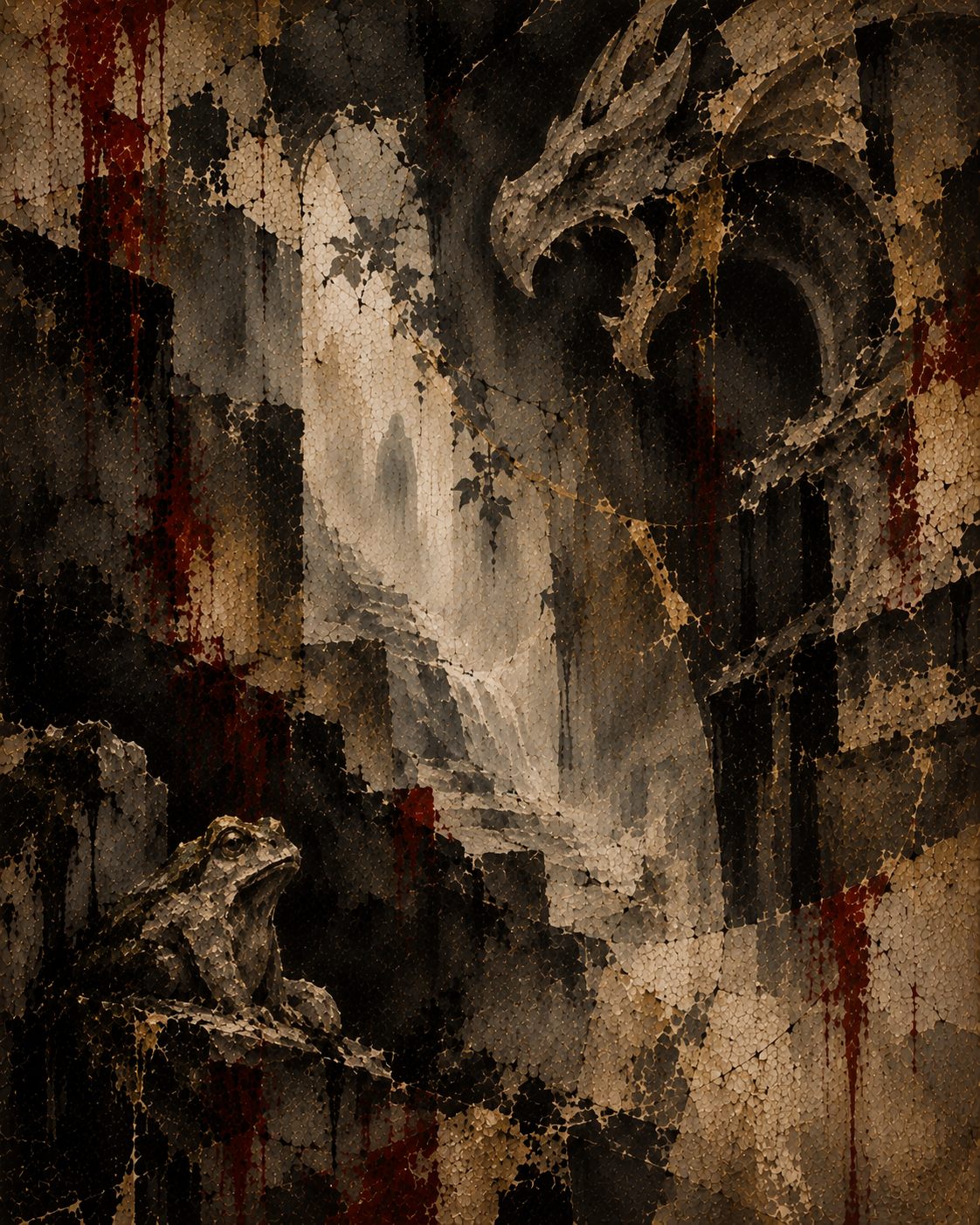
On the outer wall of the Church of the Presentation of the Virgin Mary on Piaristické náměstí in České Budějovice sit two stone beasts. Legend says they did not end up there by chance: the dragon once guarded the gate of a hunting lodge, the frog sat above the gate of a castle where a girl was held for years — brought there one November night in a cloak, with no one ever saying why. It is the founding legend of České Budějovice.
The Brave Nun
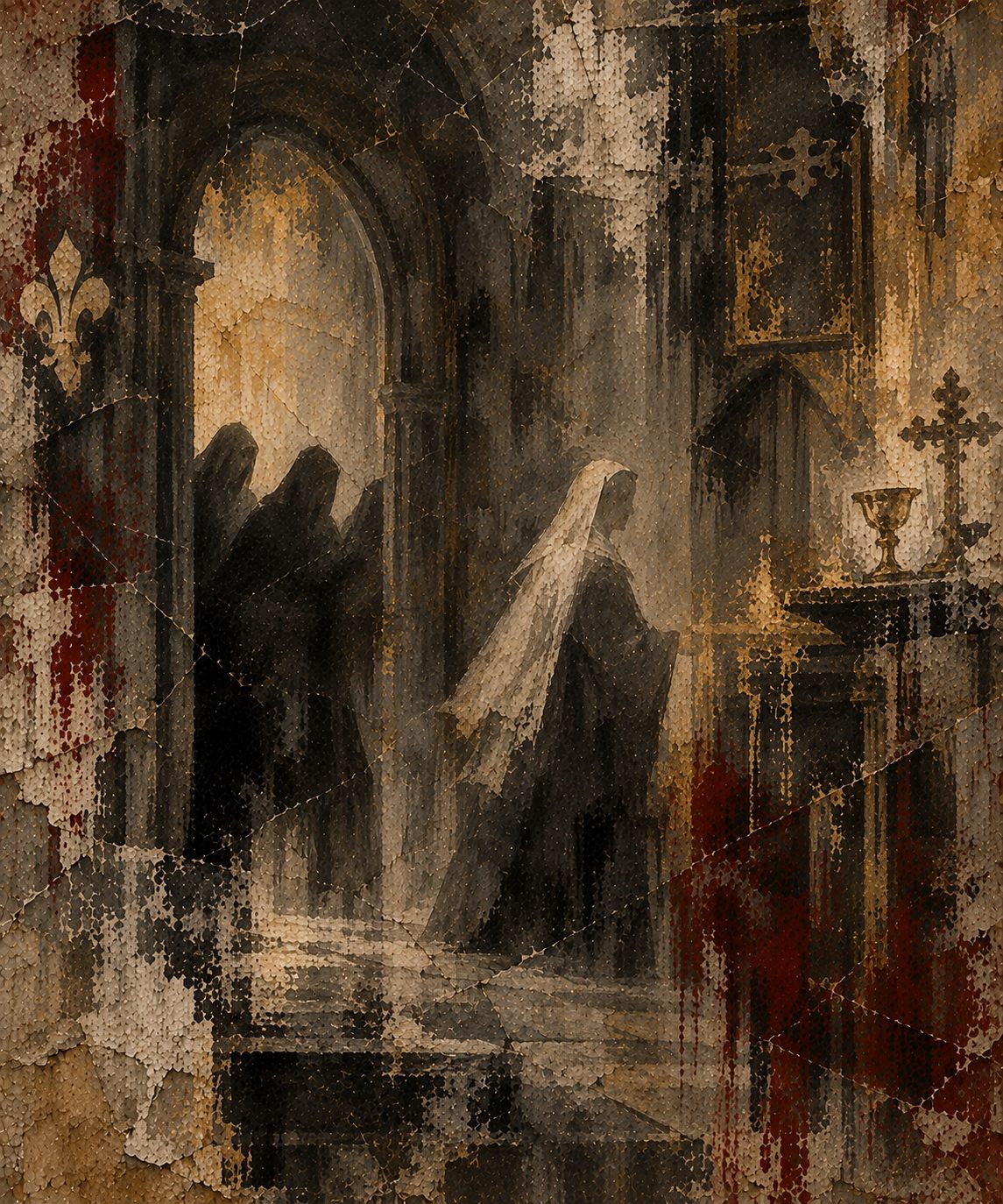
Three thieves broke into the monastery church in České Budějovice at night to seize the Marian treasure. A nun kneeling there alone finally locked them in the sacristy and rang the bell for help. Legend says their likenesses became the three stone faces still on the façade of Solnice on Piaristické náměstí.
Ondřej Puklice of Vztuhy
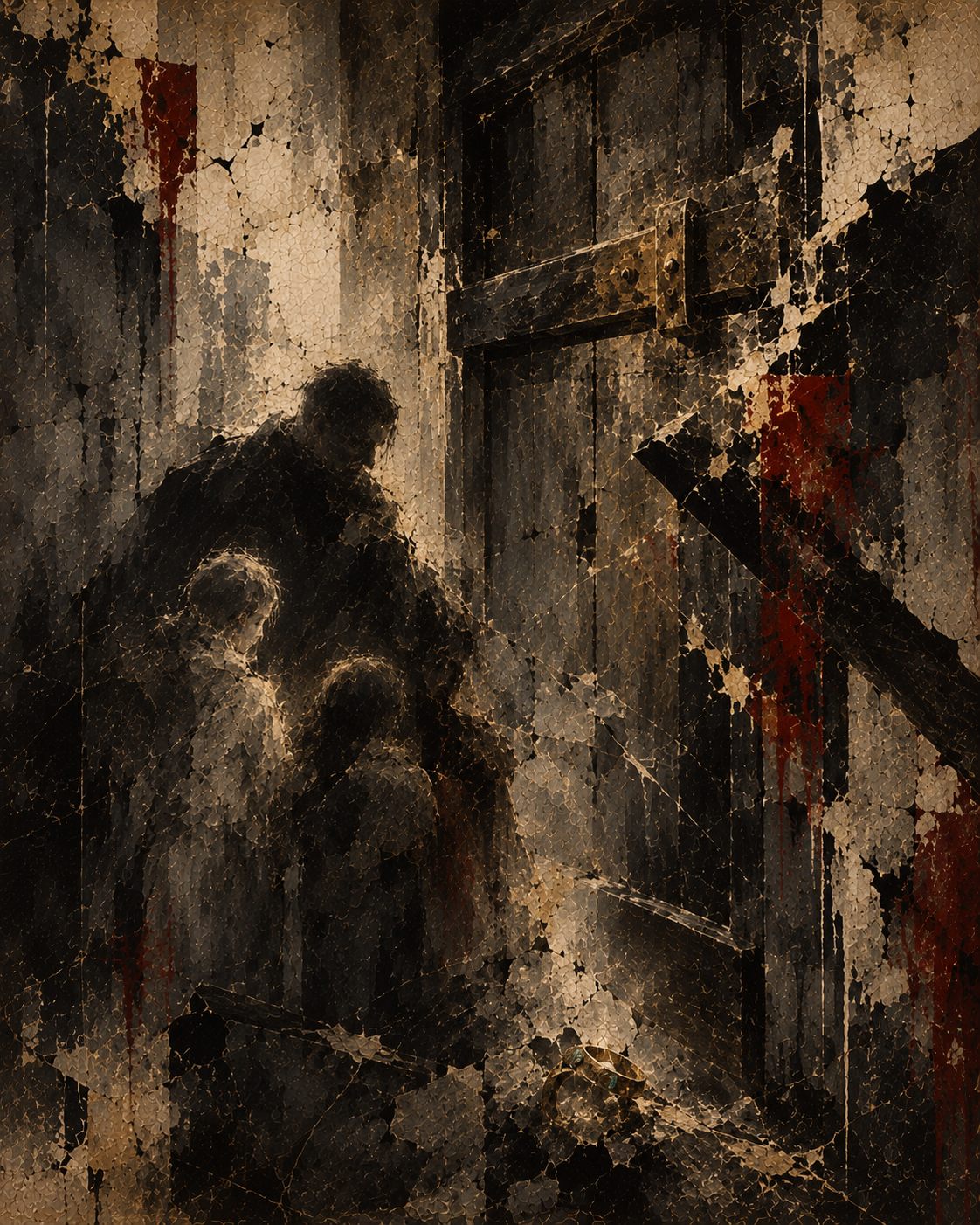
On 25 May 1467 rebels dragged mayor Ondřej Puklice of Vztuhy from a house on the Budějovice square and beat him. He died over six days. What happened in that house was written down by his son Jan, who was locked in the chamber with his father. Most of the detail in this chapter is therefore not storytelling, but testimony.
The Wandering Stone
In the paving of Přemysl Otakar II Square in České Budějovice, a short way from Samson’s Fountain toward Hotel Zvon, lies a stone with a carved cross. According to superstition, anyone who unwittingly steps over it after nine in the evening loses their way in the town and will not find the path until night has passed. Beneath that superstition lies a real mass execution of ten young men.
The Water Spirit
To children playing near Doubravice by České Budějovice came an unknown man with a carved flute and began to play. They followed him as if enchanted. One boy stayed behind and saw the water at the pond part and close again. It is the same material as the Pied Piper of Hamelin, only with a different ending.
Šimon Plachý, town clerk
On 31 January 1611 well-fortified České Budějovice surrendered without a fight. It was enough for a coachman to stop a carriage on the drawbridge of the Prague Gate so that it could not be closed. Town clerk Šimon Plachý of Třebnice, who was officially overseeing the opening of the gate, was shot that morning.
Ondřej Kodelík, town clerk
In 1614, because of plague in Prague, the provincial diet met in České Budějovice and the town welcomed King Matthias with Anna of Tyrol. The Latin welcome speech was delivered by town clerk Kodelík. Legend added to that historical event a story of a foundling who did not know who his parents were.
Treason upon treason
In spring 1619 the Estates army lay before České Budějovice and an officer inside the walls wanted to surrender the town. A woman betrayed the plot. On 7 May 1619 Captain Weisbach was executed in Budějovice. This is not a legend; it is a documented event that legend later wrapped in names and one night.
The bakery at the Capuchins
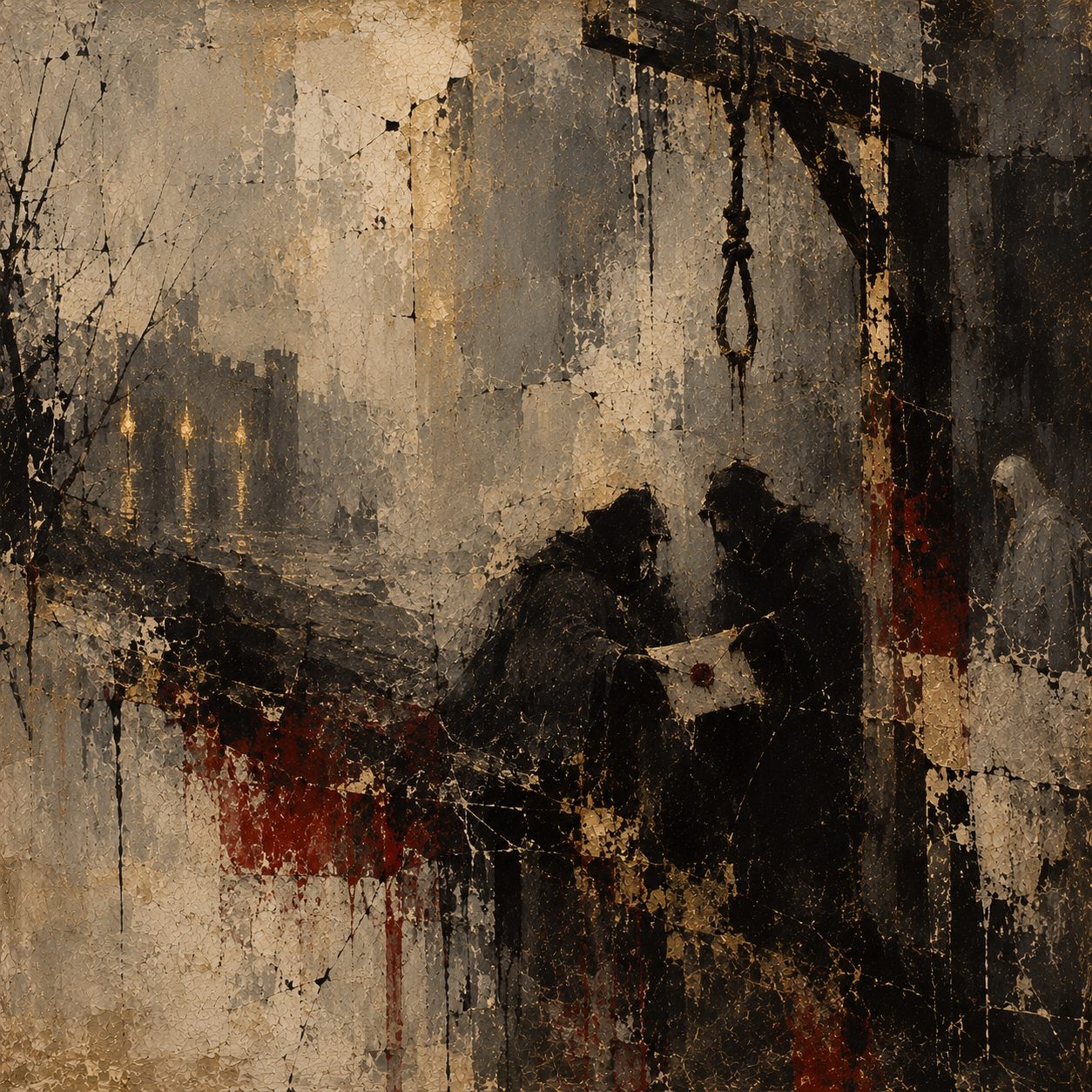
The Capuchin monastery on Kněžská street in České Budějovice needed the neighbouring yard, and the baker would not sell. Only when after his death his widow was dying did a priest come from next door to hear her last will. According to the legend he then put his hand under her pillow.
The headless rider
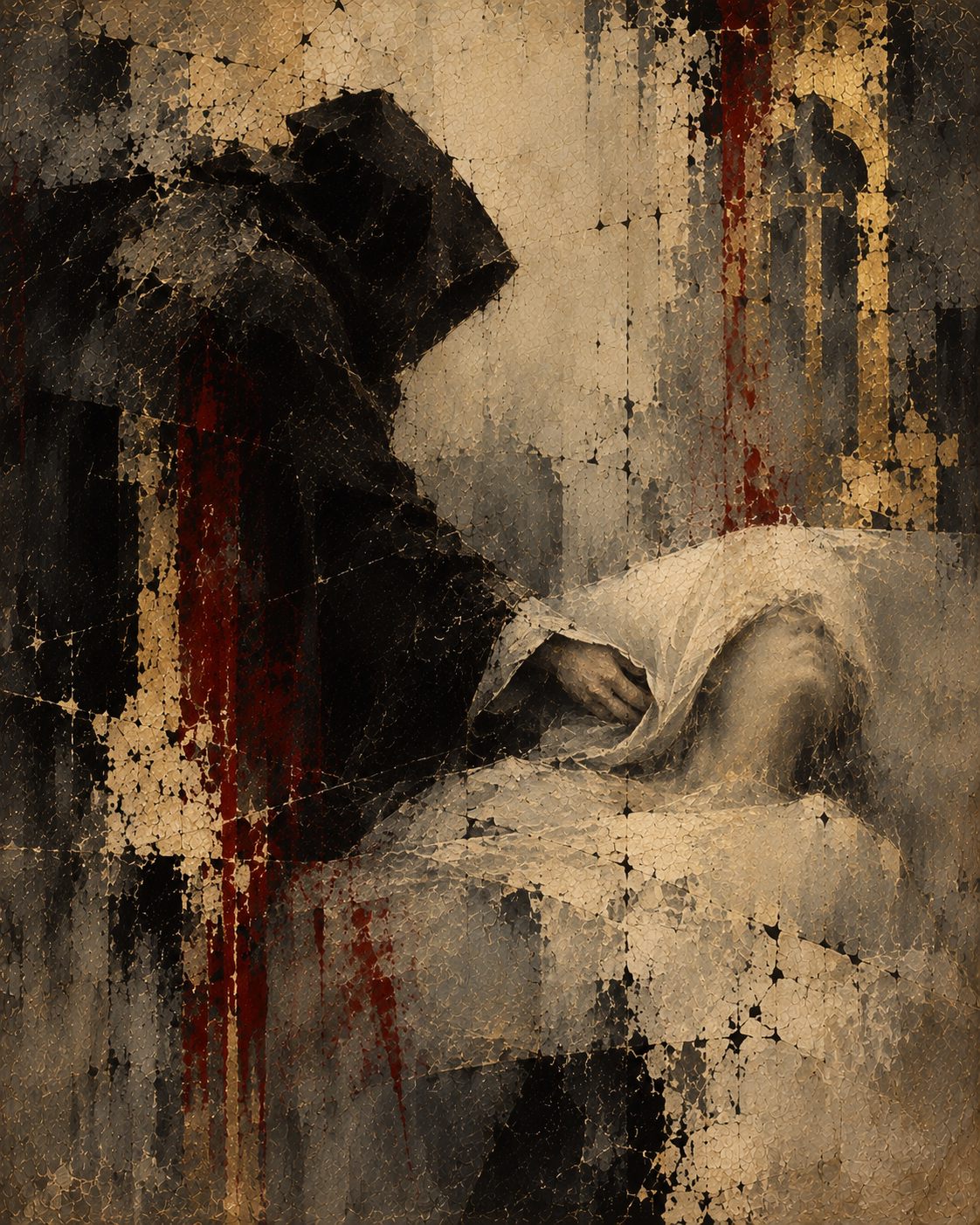
Through Budějovice streets at night a horse with a rider without a head was said to ride. Once someone followed it. It led him along Kanovnická street, today’s Hroznová and Krajinská třída as far as the gateway of a coaching inn, where it became clear what it really was. This legend refutes its own ghost.
Bummerin
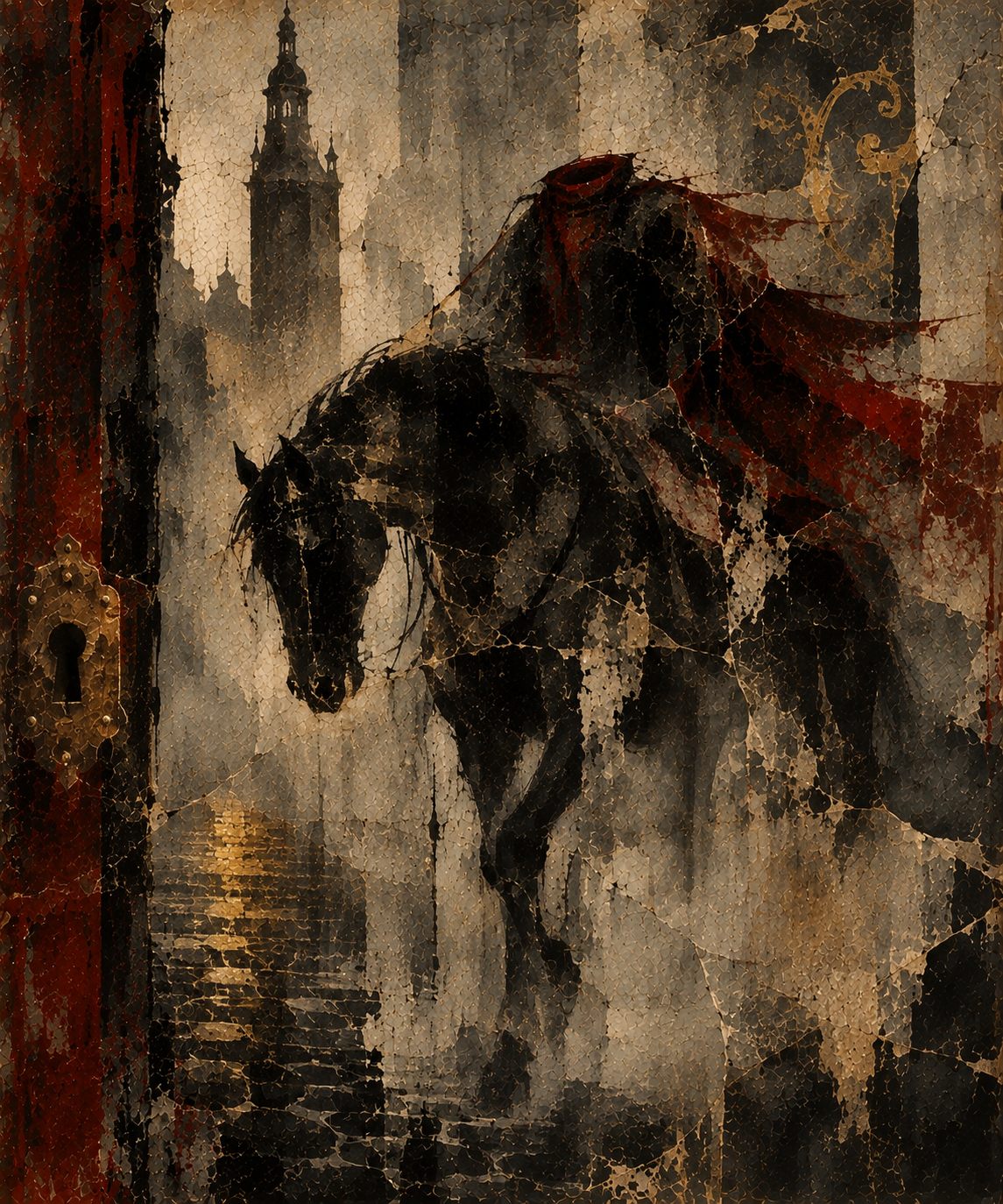
On the Black Tower hangs Bummerin, its largest bell. Legend says it was found buried on Pig Meadow near Lišov by a swineherd’s dog and pig — and that Lišov sold it to Budějovice because their own tower could not hold it. The real bell of 1507 cracked in 1723 and was recast; today it weighs 3,429 kilograms.
The ghost in the storehouse
In the military bakery at the corner of Pražská třída and Pekárenská street in České Budějovice a White Lady was said to appear at night. Once she took the baker by the hand and led him toward a door no one knew. He did not go all the way.
The treasure
Tomek’s wood by Roudné near České Budějovice has a treasure legend. A rich owner had it hidden and killed those who helped him. On Palm Sunday a gun barrel appears above the spot. Whoever goes for the treasure must walk there and back in silence.
The mysterious barrel
In a house on Česká street in České Budějovice every night at eleven the same sound came from the corridor: as if someone were rolling a barrel down the stairs into the cellar and pouring money out of it. No one ever saw the barrel.
The hearse
On the open ground between the Black Tower and the deanery in České Budějovice, once called the Fruit Market, the town hearse was said to stand. It was told that between eleven and midnight it drove off by itself. One Budějovice tailor wanted a free ride.
The ghost in Veit’s yard
Veit’s yard stood in the Prague suburb of České Budějovice, beyond the church of St Procopius and St John the Baptist. The owner once spent the night there to test the honesty of his servants. The door he had locked opened by itself in the night.
The Prussians in Budějovice
On 29 September 1744 the Prussians reached České Budějovice and the town surrendered the next day. Baron Trenck came to retake it with his pandours, a corps Maria Theresa had assembled from men no one else wanted. The decisive attack came on the night of 21–22 October 1744.
The expulsion of the Jews from Budějovice
In Jewish Street, today’s U Černé věže street in České Budějovice, a Jewish community with a synagogue and its own rabbi had lived since the 14th century. In 1505 it was accused of something that never happened. By March 1506 it had ceased to exist. This is not a legend.
The Iron Maiden
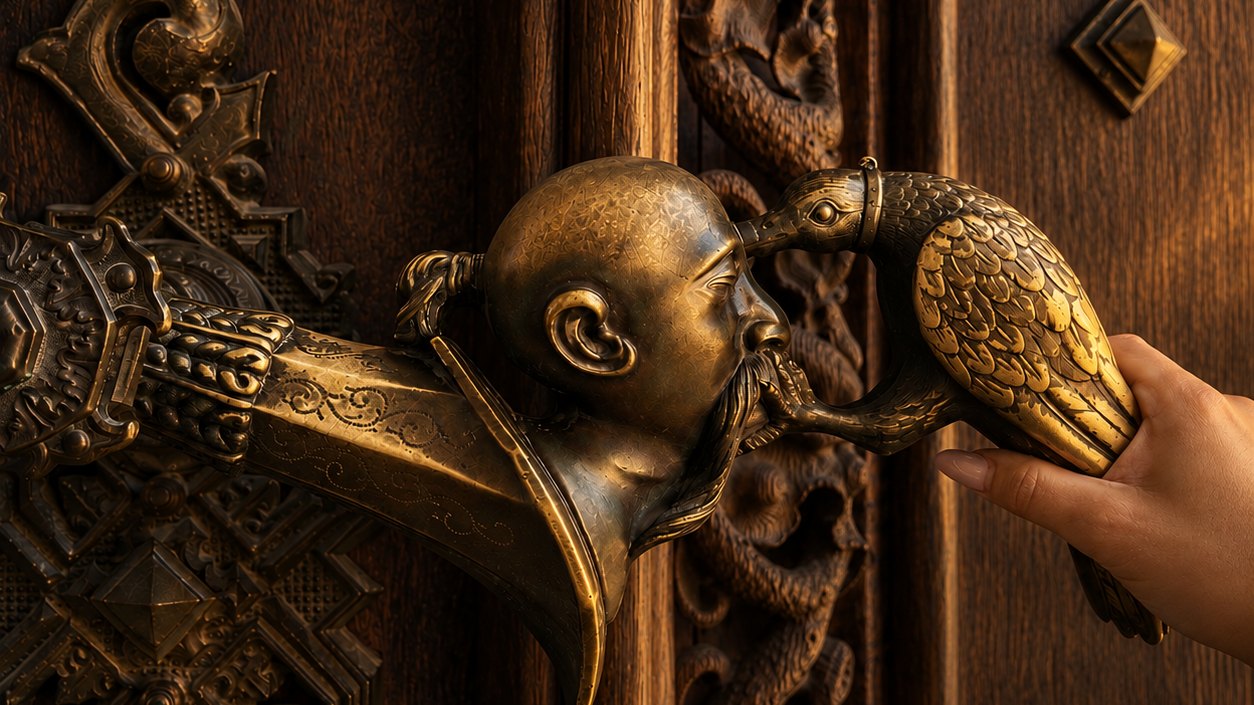
At the corner of Zátkovo nábřeží and Biskupská street in České Budějovice stands a fortification tower called the Iron Maiden. According to legend a secret trial was held there in 1420 over a man who was to light three agreed signals on the tower for the Hussites. The tower then had another name.
 Without embellishment
Hlavní verze sleduje, jak se zrada odhalila. Tahle jde s Prokopem od dveří kobky až nahoru do soudní síně a nevynechá nic z toho, co bylo mezi tím.
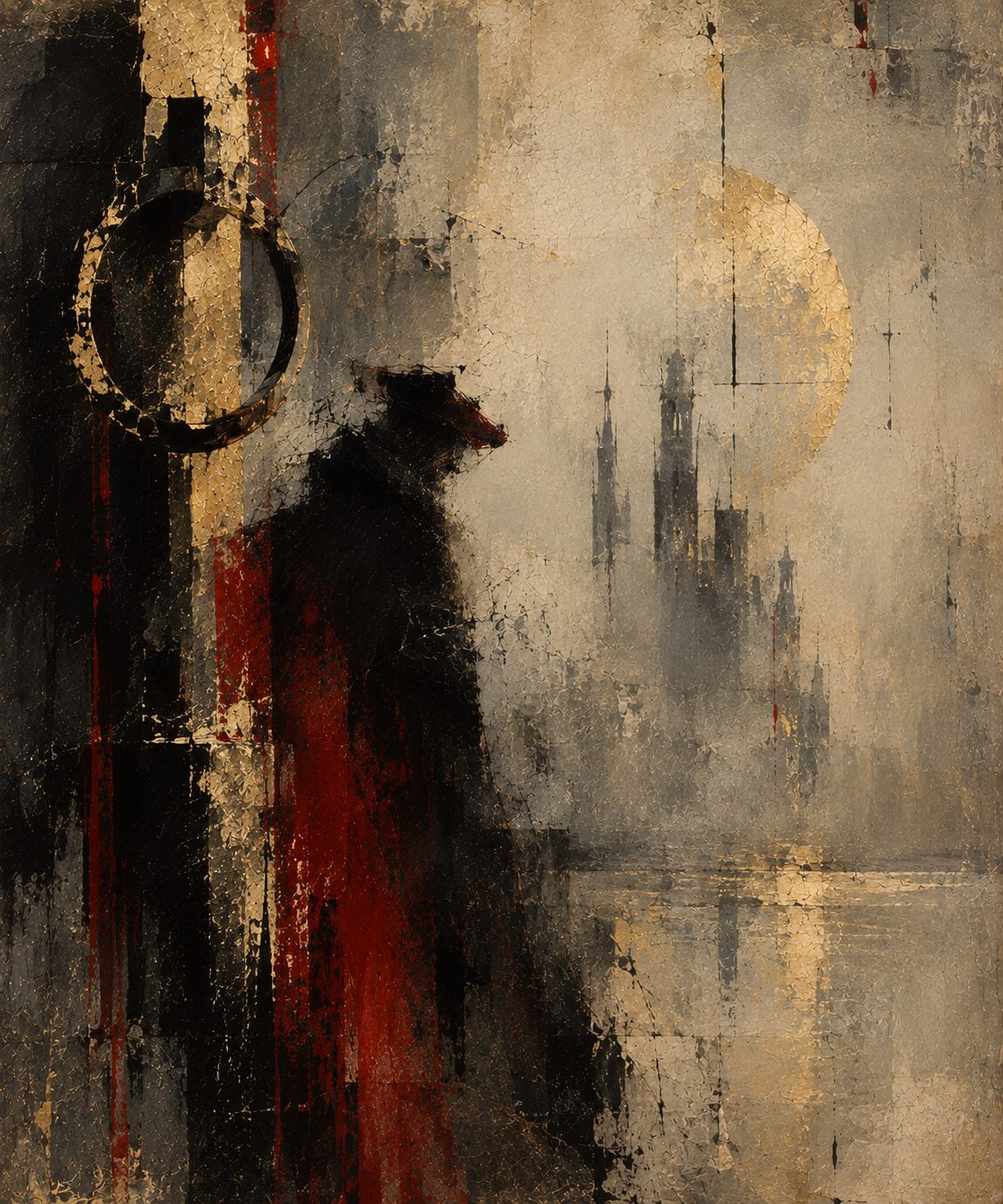
The false oath at the pillory
On Přemysl Otakar II Square in České Budějovice a pillory stood for two hundred years, and liars and perjurers were set by it. According to legend one morning a runaway horse dragged there a man who the day before had sworn a lie before the whole town council. It stopped exactly at that stone.
 Without embellishment
Hlavní verze je o soudu, o dívce a o dobrém jméně. Tahle je o posledních minutách jednoho muže a o tom, co při nich dělali sousedé.
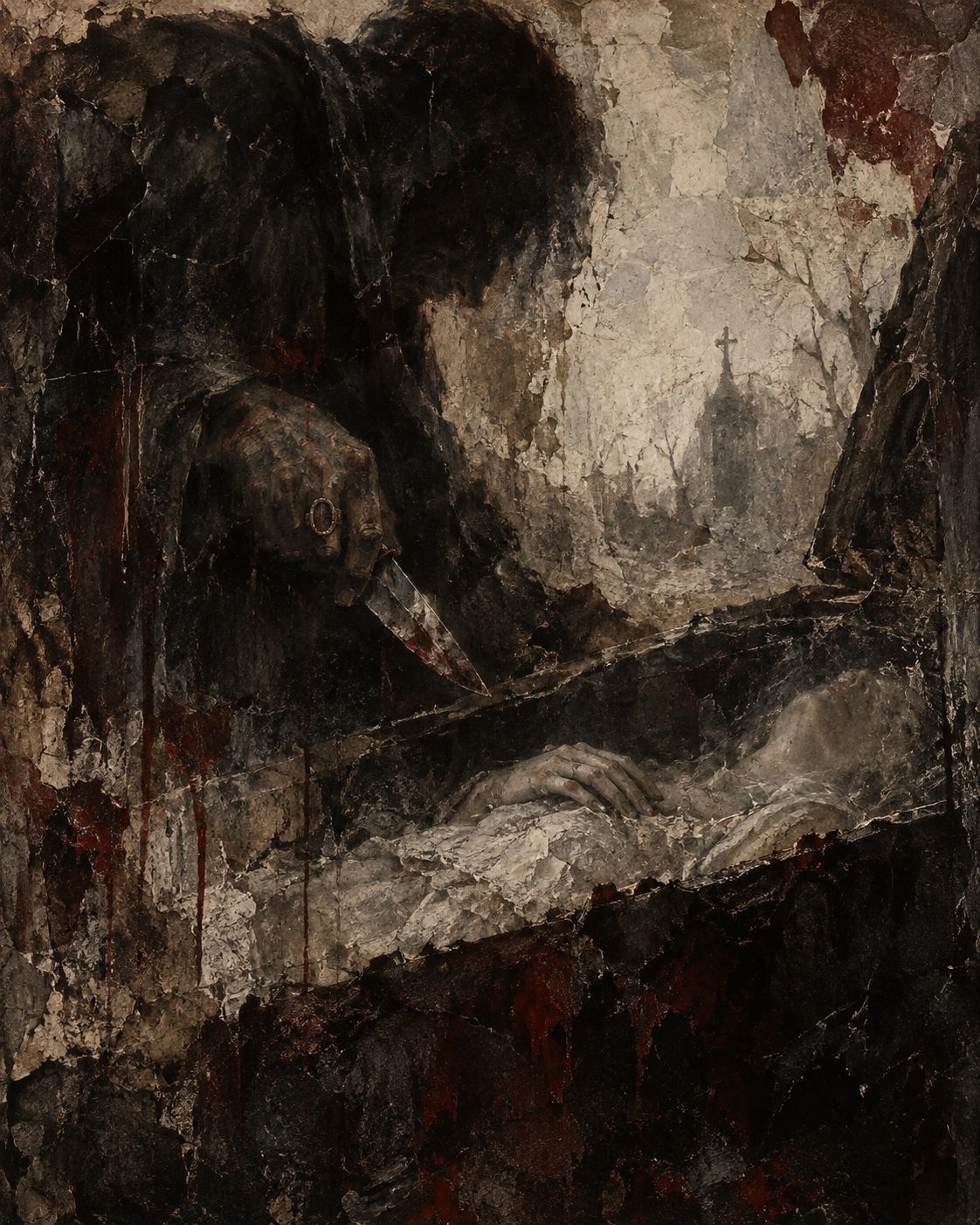
The House at the Dead Baker
At Krajinská třída no. 17 in České Budějovice stands a house once called At the Dead Baker. According to legend a baker’s only daughter was buried from there, and at night the gravedigger returned for the jewels given her for the last journey. The engagement ring held fast, so he drew a knife.
 Without embellishment
Hlavní verze končí tím, jak dům přišel ke svému jménu. Tahle zůstane s dívkou ve chvíli, kdy hrobař uteče a ona se probudí pod víkem.
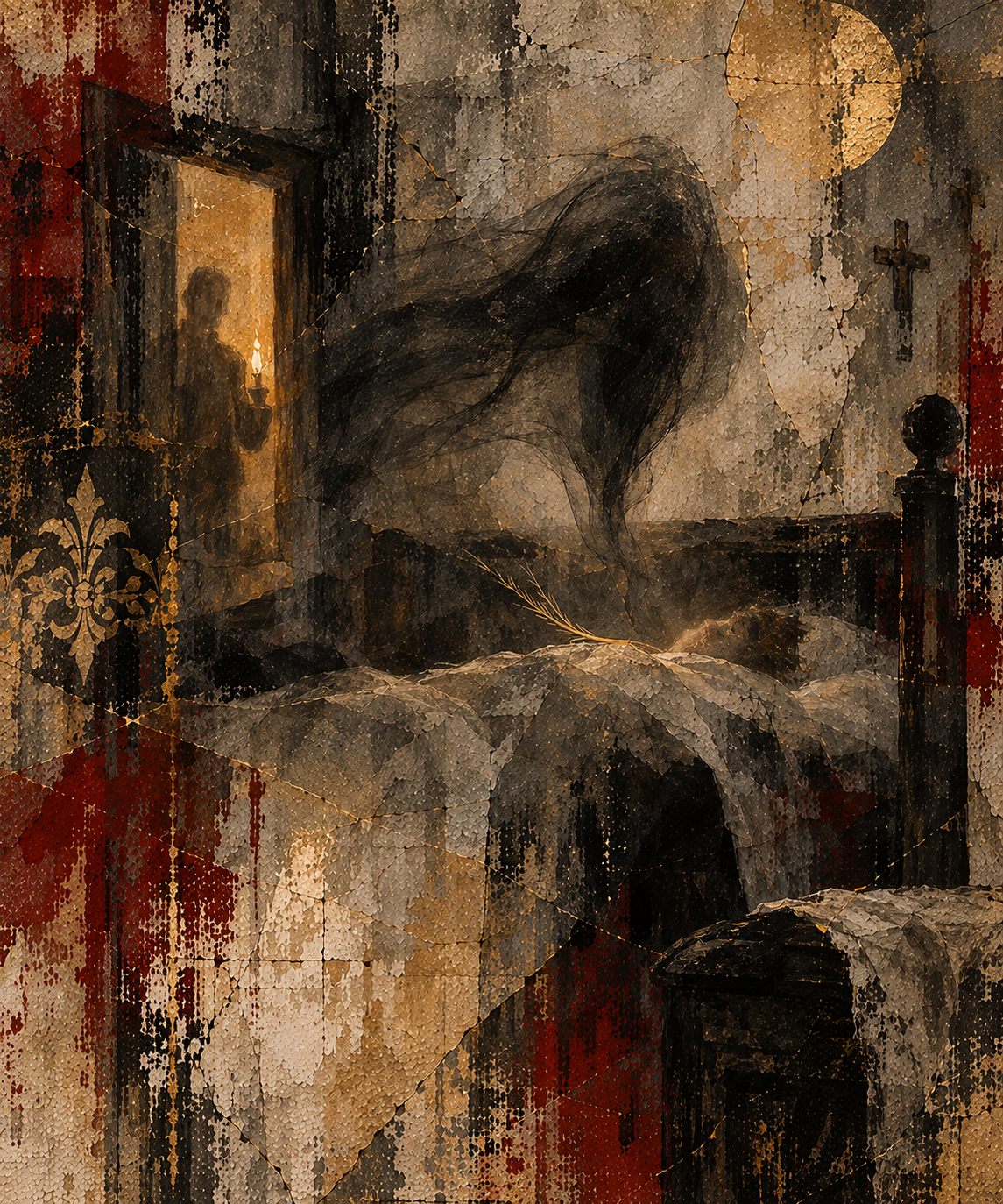
The nightmare (můra)
According to folk belief a můra was a living person whose soul left the body at night. It sat on sleepers’ chests, choked them and took small forms, such as a blade of straw. In Budějovice two stories were told of it: one of a cobbler and his journeyman, another of a miller’s lad.
 Without embellishment
Hlavní verze vypráví, co mistr našel na tovaryšově hrudi. Tahle zůstane v posteli s tovaryšem, který je vzhůru a nemůže se pohnout.
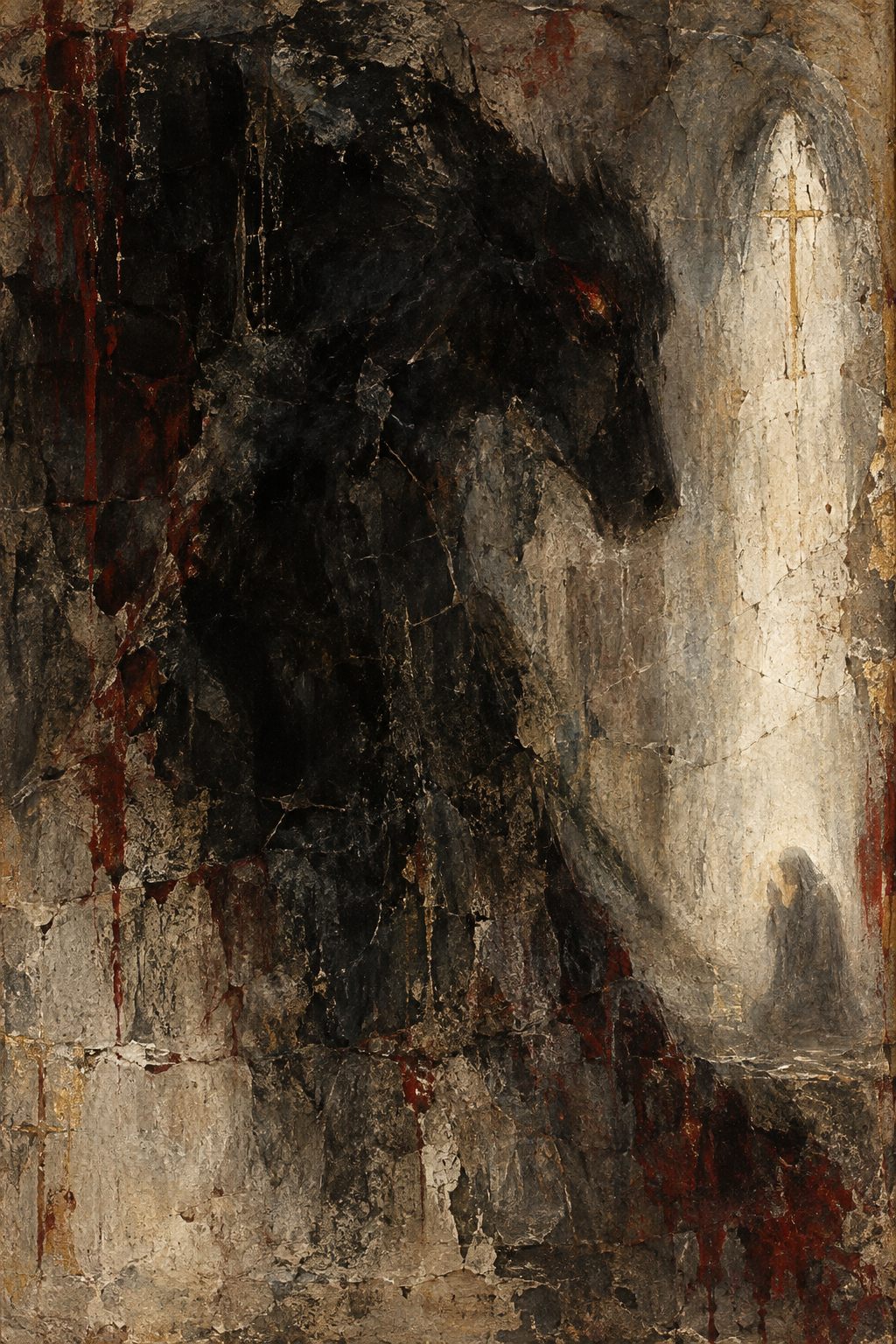
The black dog
Between the Cathedral of St Nicholas and the deanery in České Budějovice there used to be a cemetery, and the shortest way from Kněžská street to the square led across it. One night a widow ran that way for medicine for her dying daughter. At the chapel a great black dog barred her path and laid its paws on her shoulders.
 Without embellishment
Obvykle se vypráví jako historka o strašidelném psovi. Tady jde o ženu, které doma umírá dcera a která neví, kolik času jí zbývá.
There will be more of them
Přemysl Otakar II is said to have promised to found a monastery wherever news of a child’s birth reached him. A messenger caught him on a meadow between the Vltava and Malše, where nothing then stood. According to the legend the king cried three words from which the name of České Budějovice arose.
The painting that stopped the Swedes and the plague
On the altar of the Church of the Presentation of the Virgin Mary on Piaristické náměstí in České Budějovice a painting of the Virgin Mary hung for centuries. According to legend it turned away the Swedes, stopped the plague and survived the great fire of 1641. It holds together a substantial part of Budějovice legends.


During a stay in České Budějovice
Legends complement trip tips and place stories — ideal reading before an evening walk through the city.